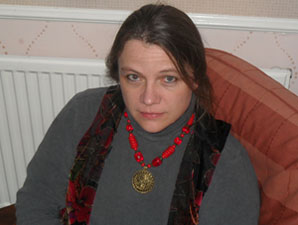

I was born in Northern Cape of South Africa, on the 6th June 1967 into a large family and grew up on a cattle and game farm there, which, is as glorious a childhood as you can get in terms of landscape and freedom.
The farm was also a Mission station, and so I also grew up with a profound and abiding sense of firstly the sacred in all things and secondly of exile, of being an outsider. Anyway this idyll was rudely interrupted by school in Kimberley, then university (Rhodes in Grahamstown). And then somehow (by ways still entirely incomprehensible to me) I ended up back at school – teaching.
Actually all this is far better expressed in other ways:
From 5-finger exercises in the Pre-Rainbow Nation
YellowYellow was the sun always.
Yellow was the barn in winter
with rival dens and buried treasure,
arrow slits, incomprehensible chants,
war dances, jousts and quests
which made for us
a prairie Camelot.
Yellow was the sour evening smell of silo
and home returning
for the next few chapters of tomorrow’s barn.
Yellow was the sun.
Yellow were the cobra and the boomslang, who
turned on us, trapped in the house;
who lay so still, both
afterwards, with broken head
all sinuous beauty dead.
Yellow was the sun.
Yellow was middle C,
where the hot ash had fallen, and called the tune
of all our melodies.
We sang on command, wherever we went
instead of squabbling in the crowded car
as it crept on rationed petrol across
a searing yellow semi-desert world.
Yellow turned softer in spring when
acacias bloomed in tiny balls of fluff
amongst vicious thorns bleached bone-white and dry.
Weavers sang yellow songs in willow trees
swinging upside down above the dam, where
intricate nests grew beneath their clever
beaks and the tireless blur of yellow wings.
All yellowness became a harmony
singing vast emptiness and sun.
Orange was the ochre smell of amber,
which held the breath - and time –
with watching until temptation was too much
and touching smudged the light of it.
Orange were the afternoons hidden
in the Satsuma tree- where unbroken peel
curled around the ghost of fruit
whose sweetness soaked the tongue
to happiness and pips
leapt the parabolas of between school and homework
freedom.
Orange was winter
and air which disappeared
so clear it was and still -
captured in brittle trees,
patient as sentinels,
waiting for
August winds,
which whirled the fiery dust
to stinging frenzy
snatching at breath.
Orange was fire:
Tame flames which leapt inside the kitchen stove,
sprang briefly free with plates lifted to feed them.
But burning bush was
not God’s word
was horror-black
horizons, where devils laughed
and snaking smoke
swept the parched world
to acrid death.
And orange was Sunday’s cheddar
melting into toast when
hope lay in heaven
but we were on earth and mother in hospital.
Red
Red was for mortality, was
sin and lust and anger and blood and life.
Red was the iron-rich earth, which gravity
held rooted to its course and where we built
a million other worlds and stained our clothes,
our Sunday best, one long, long afternoon.
Red was waiting for the hunters, with their guns
which troubled the safe most days and then
went out and brought back death:
animals hung upside down to drain;
eyes gentle, unsurprised, their insides taken out
fur still beautiful (the shots were clean);
and dogs licking the bloodied trucks and ground
which smelled of death. We stood rooted
to watch the skinning and the disemboweling:
the rotting, gagging heaps lay steaming in the twilight.
Relief was to be told to start the fire,
to bring back beers and then be called to bath.
It brought storms of tears sometimes that hunting season.
The dead faces were so lovely and the paradox
of food too much.
Culling was explained and the need to die for procreation,
which was another troubling power
we watched, rooted too, by its urgency and alien sounds,
and gaped that this should be responsible
for next spring’s foals.
But red loomed also in the daily ‘rooi gevaar’
danger, fear and fury
of a revolution too long overdue.
And a spider flag, whose fingers reached across
time and an ocean to brand us for our blood and
led to furious fighting when we found those crawling horrors
painted on our desks.
Red fired at last our uncertain clay
Gave it beginning and end – the promise of mortality.
Purple
Purple were tiny flowers, close growing in the
loose red earth, which we picked on our knees
to suck greedily the sweetness from tiny
goblets upside down. But syringia’s purple was
just for smelling – would kill if you tried more.
Purple were the bruises left by
games and the inevitable sjambok*,
for comparison in boastful metaphors
and fictional heroics at the end of day.
They spread; grew into maps, turned
world in lessons to get lost in
and so were procreative:
a constant tide of trouble and dreams,
in which we sank and learned to swim.
Purple was mother’s amethyst birthstone ring
its perfect roundness
like the radiant globes of blood
by which
her lot of sweetness for the day
was measured, when illness made a constant Lent
for her.
I wear that stone and think of her
amidst the clamouring chaos the six of us could be.
No wonder then that there were times
when she sank into the
blank absence of intensive care.
It was the one place she could go to leave
the tyranny of motherhood
engendered by the iron cross her mother earned
in a past - lost and inescapable.
What dreams did she find there with which to face
our glaring days and the cloying cloud
of the yesterday, today, tomorrow
standing at the door,
which marked in rooted silence
the stubborn boundaries of her world?
*sjambok: a thin strip of highly flexible hippo hide, used by teachers, policemen and farmers to discipline children, criminals and labourers.
Blue
Blue was the river far away
though closer to was brown
and, like the borehole and the dam,
kept behind a gate, we might not open
without at least one adult.
It curved and flowed and kept an echo;
had trees and leguans and otters, kingfishers and the eagle
whose cry tore through our bones; ravines and dongas
and earth which was not red and ran through fingers
but stuck and clung and smelt of wet, of
life not sparse and yellow with heat shimmering dust,
but wild and not to be trusted, traveling beyond the curve
which was our boundary.
Blue was the world beyond the orchard
peaches and the bees which stung us there.
A darker blue was school, which was across the river, too
on a bridge, though and too far to smell.
And preparation for it was a ritual:
Lined up like organ pipes, spines heat-pricking:
the yearly measurement of growth achieved
in dark blue uniforms passed on, before
the school year’s return, was introduction
for each of us in turn to the world beyond our
home, where we lived by questioned faith, and woke
to daily grace, which coiled in youthful songs
towards a wide, blue and listening heaven.
At school a world of strife awaited with
taunts and jibes, with flags and prayers forbidden
to children of dissenting faith and tongue.
Small enough to be contained by school-yard
fights. Big enough to be an inkling of
Bigness beyond, where suffering was real.
Green was the sound of mother’s voice at the end of the day
telling us her world, as we walked through our own.
There, where Karoo and Kalahari had a dusty meeting
in lip cracking, dry desert, she spoke of
forests covered in snow and men stamping;
sipping her mother’s soup after the hunt
and port in the cold mornings, skating and sleigh-rides
and candles for Christmas a real light.
Stories to make us homesick for a world
we’d never known.
Green was her Christmas tree,
a promise made
a promise kept:
of the holy arriving in a holy place.
Or Yggdrasil, axle for a world to spin on
from deep roots where the earth smells hot
to leaves, golden-green,
which stop the sky from falling.
Green was the light in a giant nursery – like the green of
willows in September round the dam
where the water bird snaked through the shimmering algae
making the dogs restless.
The nursery hummed with light, which after the noisy mechanical
planting of seeds in tiny squares of richest earth,
watched peacefully the bubbles of life burst
until the green unrolled softly velvet
across that unlikely floor and we
ran over to touch, but stopped because
in each square was a scrap of life.
Green was the rare taste of the sea many miles away
and terrifying, fascinating its overwhelming sound and movement
which comes and goes, creeping and wild but never stops entirely
as we will.
Years later its fierce invitation on the edge of land -
as home was on the edge of the desert -
became a knowledge of
the planet’s round, which makes all things familiar.
Indigo
Indigo was the wild sky before a storm
when the usual blue frowned and fantastic
clouds were dragonish.
The world was rapt with beauty
before it broke;
smelled wild and fierce;
electrons lurked in every prickling touch
and sparked, hissing ferocity, which tugged impatiently
between the earth and darkly luminous sky, rolled
and sped across the wide, flat world and spun and sought
a way out of that bowl until it split
itself with snaking, thunderous spite.
It found swift delicate, dangerous
riverbeds of light
in mounting clouds, marbling the sky.
Leapt from those clouds
to the open land beneath, a perfect sphere
white-hot intensity:
such brightness could only come
from a careless, silver-laced with laughter, bright with darkness sky,
hurling gifts to ignite with longing
colour-greedy eyes, which held what hands could not,
must not touch.
The vast flatness rose up to dance with shadows –
the wind hurled trees, hurled roofs, hurled everything it had
at the thundering, power-crazy sky and now
it was time to hide;
to stare at the black hole where the phone had been,
to wait while rain sluiced static from the world,
and the wet smell blossomed like a blessing till
the garden awoke to
incomplete destruction.
The darkness of the sky receded to spill new light,
making the drenched trees gold,
while the still glowing earth drank up the
rainbow-ed puddles swift as mercury,
and silent.
I now live in Leicester with my partner and two nearly grown-up children.

